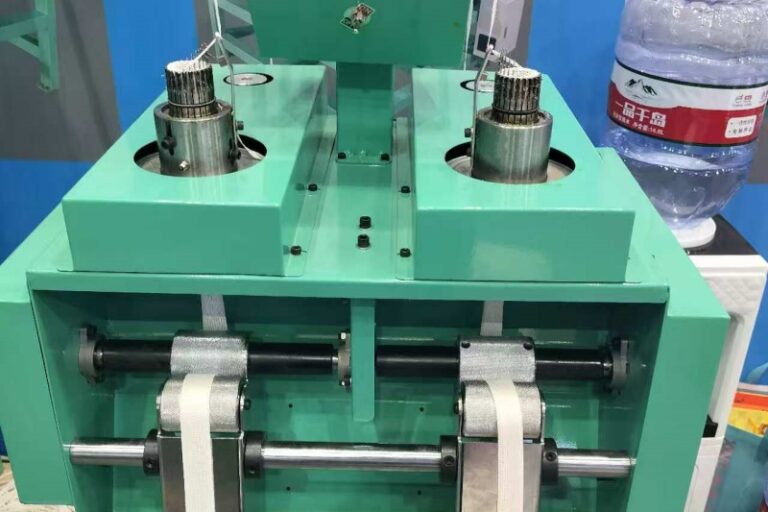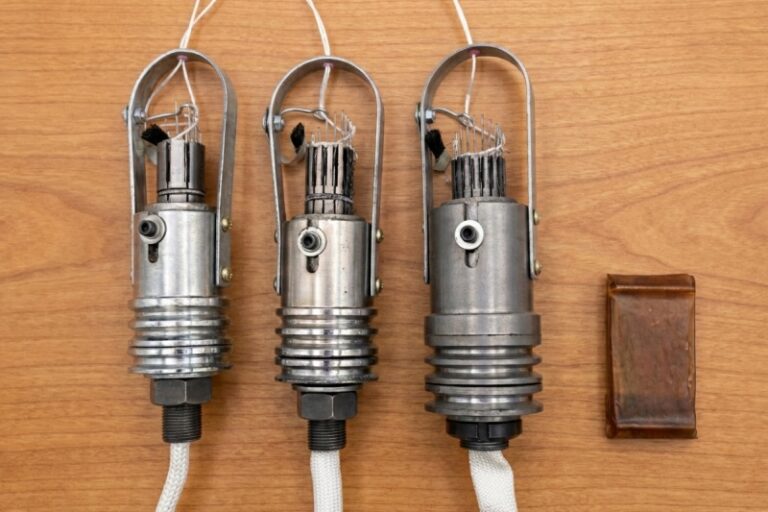

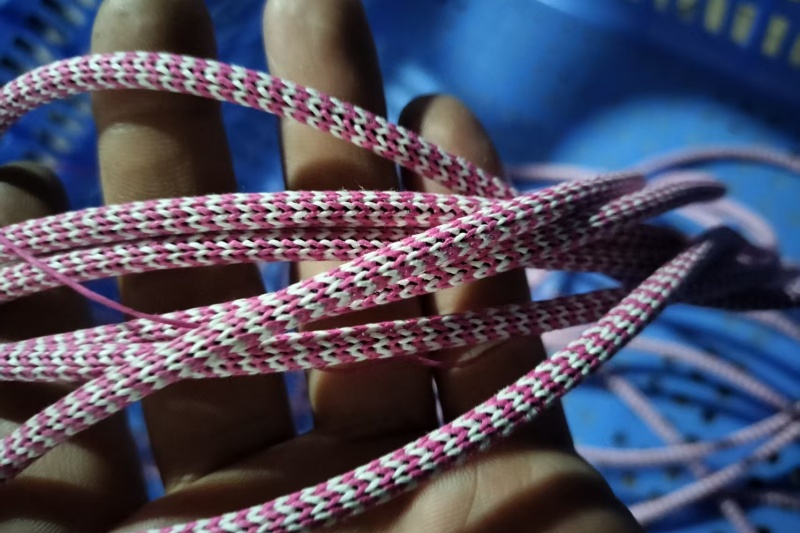
In the cord industry, colorful cords are usually produced by braiding machines or fancy cord machines, while crochet machines are commonly used for solid-color tubular cords. However, with suitable yarns and feeding systems, crochet machines can also produce multicolor cords.
1. Using Variegated Yarn
The simplest method is to use variegated, space-dyed, or mixed-color yarn. Even with only one yarn feed, the machine can produce gradient, alternating, or irregular color effects through the yarn’s own color changes.
This method is easy to operate and requires no major machine modification, although the pattern mainly depends on the yarn itself.
2. Two-Feed Crochet Machine
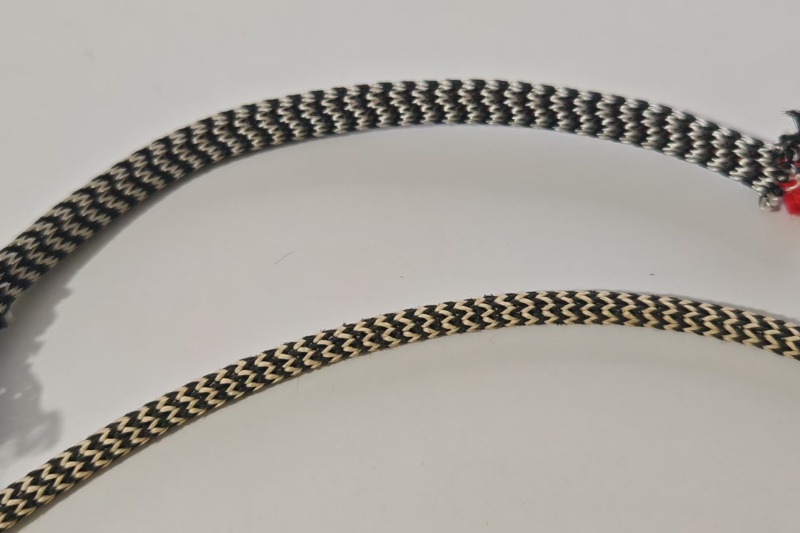
A two-feed crochet machine can feed two different-colored yarns simultaneously. The colors may alternate by round—for example, one color in one round and another color in the next—creating a clear and regular two-color effect.
It is suitable for making two-color tubular cords, shoelaces, garment drawstrings, and decorative cords.
3. Multi-Feed Crochet Machine
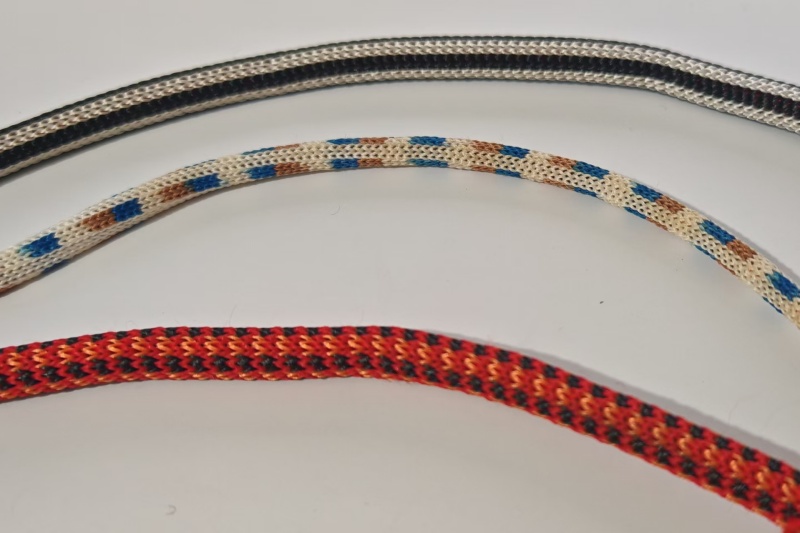
With technological development, multi-feed crochet machines can now process several different-colored yarns at the same time. These colors run continuously along the cord’s length, creating longitudinal stripes or multicolor patterns.
By adjusting the number of feeds, color arrangement, needle quantity, and tension, manufacturers can develop a wider variety of distinctive cord designs.
Conclusion
Crochet machines can produce multicolor cords in three main ways:
- Single feed with variegated yarn
- Two feeds for alternating color rounds
- Multiple feeds for longitudinal multicolor patterns
Therefore, crochet machines are not limited to solid-color tubular cords. With different yarns and feeding systems, they can also produce attractive and distinctive multicolor cords.
Which do you prefer—two-color cords with alternating rounds or multicolor cords with longitudinal patterns? Share your thoughts or contact us for more crochet machine solutions!