
Water-soluble fishing bait mesh may look like a simple tubular net, but producing it requires the right machine, suitable yarn, and carefully adjusted knitting parameters.
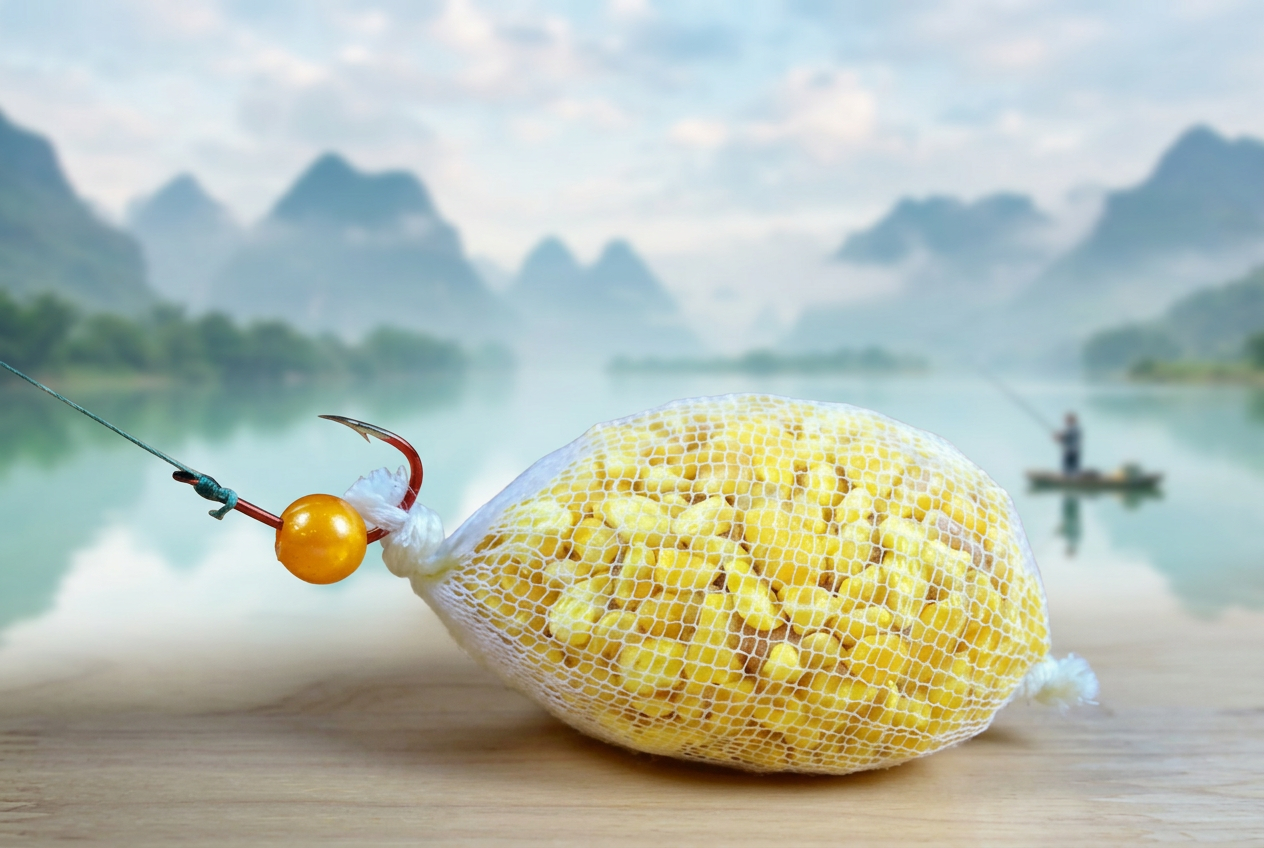
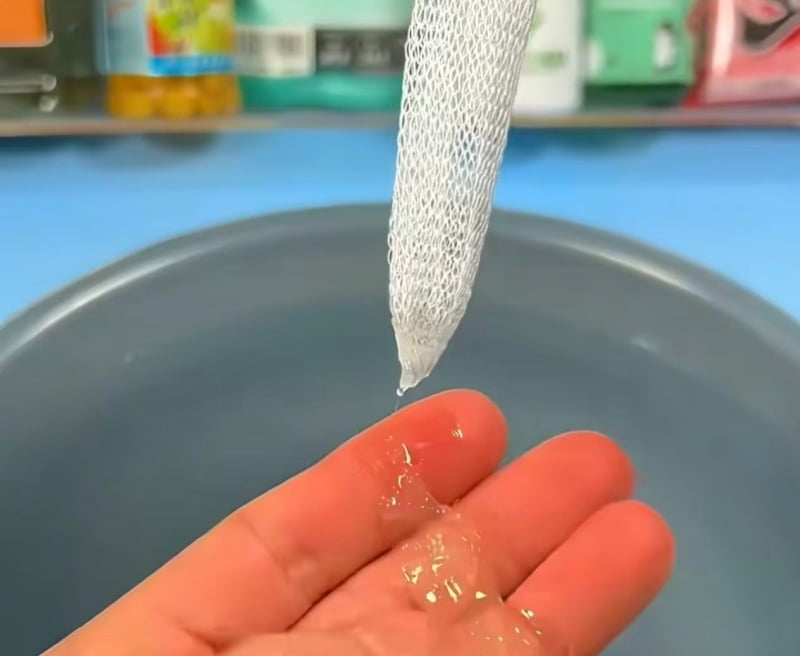
The mesh is designed to hold fishing bait together during filling and casting. Once it enters the water, the net gradually dissolves and releases the bait at the target location. So, how is this type of water-soluble bait mesh produced?
1. Production Equipment: Circular Crochet Machine
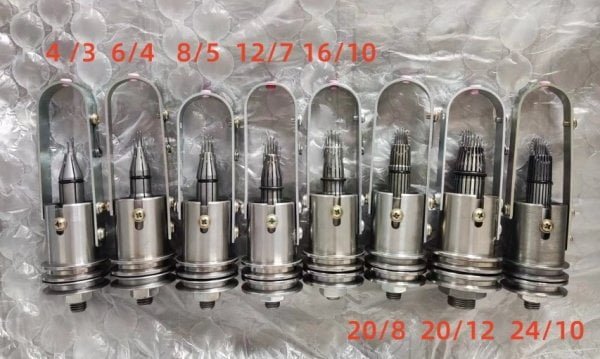
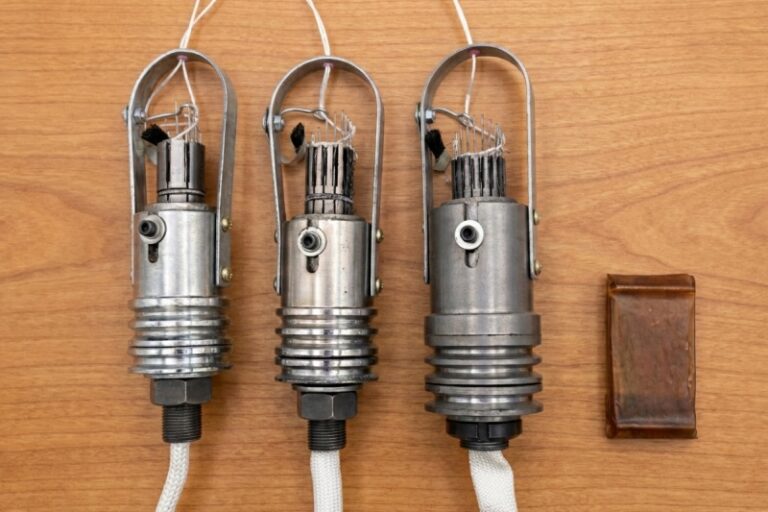
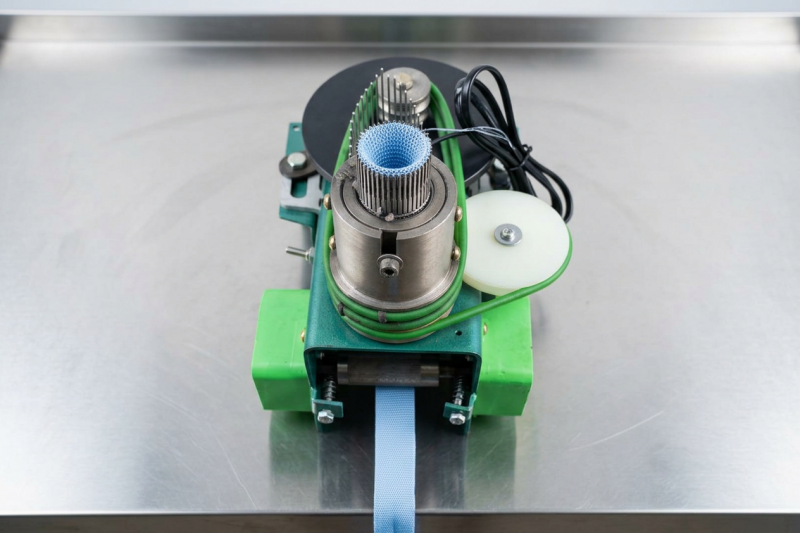
The machine shown in the picture is a circular crochet machine designed to produce seamless tubular mesh.
During operation, multiple crochet needles continuously form loops, turning the yarn into a tubular net. By adjusting the number of needles, cylinder diameter, yarn feeding rate, and knitting density, manufacturers can produce bait mesh with different diameters, mesh sizes, and levels of elasticity.
These specifications can be customized for pellets, ground bait, or mixed fishing bait.
Compared with producing flat mesh and sewing it into a tube, one-step tubular knitting offers several advantages:
- No side seam is required
- Uniform mesh structure
- Continuous production
- Adjustable tube diameter and mesh size
- Convenient cutting, winding, and packaging
2. The Key Material: Cold-Water-Soluble Yarn
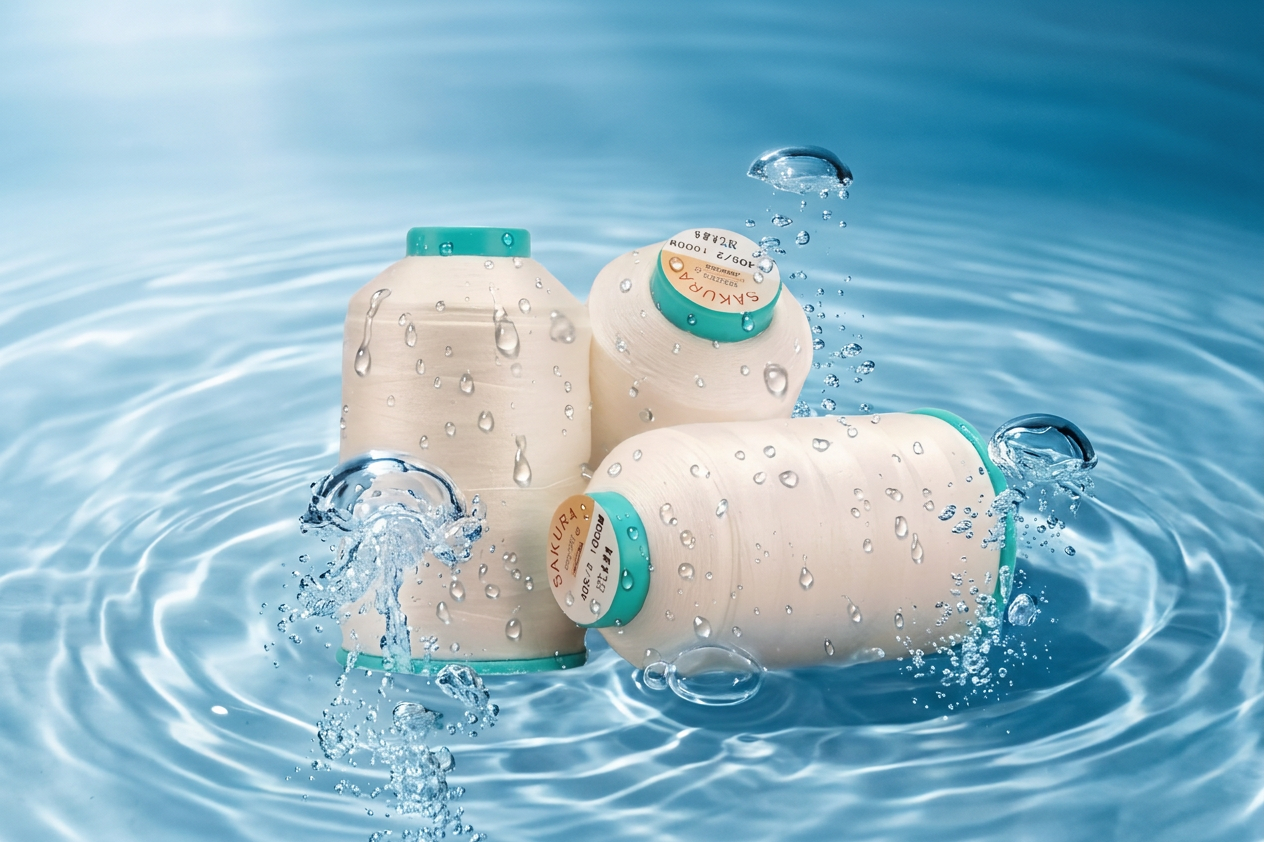
The machine determines whether the mesh can be formed efficiently, while the yarn determines how the final product performs in water.
This type of fishing bait mesh is generally made from yarn that dissolves in room-temperature or cold water. When dry, the yarn has enough strength for knitting, pulling, winding, filling, and casting. After coming into contact with water, it gradually loses its structure, allowing the mesh to dissolve and release the bait.
When selecting yarn, several factors should be considered:
- Dissolving temperature: The yarn should be suitable for the water temperature in the intended fishing environment.
- Dissolving speed: If it dissolves too quickly, the mesh may break before reaching the target location. If it dissolves too slowly, bait release may be delayed.
- Yarn strength: Insufficient strength may cause yarn breakage during knitting, winding, or bait filling.
- Yarn thickness: This affects mesh strength, mesh opening, and dissolving time.
- Storage stability: Water-soluble yarn is sensitive to moisture and should be stored in sealed, dry packaging.
For products that come into direct contact with water and aquatic life, the yarn should also meet the applicable safety and environmental requirements of the target market.
3. Basic Production Process
Step 1: Prepare the Yarn
Choose a suitable room-temperature or cold-water-soluble yarn according to the required bait mesh specifications. Before production, check whether the yarn has absorbed moisture, stuck together, or developed broken ends.
Step 2: Thread and Adjust the Machine
Guide the yarn through the feeding system and crochet needle section. Adjust the needle configuration, tube diameter, yarn tension, feeding rate, and knitting density according to the required product size.
Step 3: Knit the Tubular Mesh
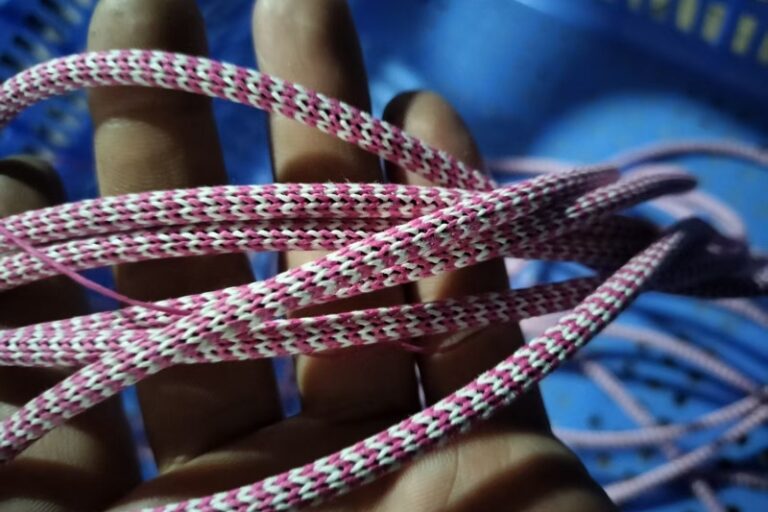
The machine drives the crochet needles to form loops continuously, producing a seamless tubular mesh.
Stable yarn tension is essential. Excessive tension may cause frequent yarn breakage, while insufficient tension may result in loose stitches or uneven mesh openings.
Step 4: Pull and Wind the Mesh
The finished mesh is continuously drawn from the knitting section and wound into rolls. The take-up speed should match the knitting speed to maintain consistent diameter, density, and mesh structure.
Step 5: Inspect and Package
Inspect the finished mesh for uneven openings, dropped stitches, broken yarns, and visible joints. A dissolving test should also be performed under the intended water conditions.
After inspection, the mesh can be supplied in continuous rolls, cut to specified lengths, or packed according to customer requirements.
4. What Affects the Dissolving Speed?
Water-soluble bait mesh does not dissolve at exactly the same speed in every fishing environment. Its actual performance can be affected by:
- Water temperature
- The water-solubility grade of the yarn
- Yarn thickness
- Knitting density
- Storage time and humidity
- Water quality and actual fishing conditions
Before deciding on the machine configuration and production parameters, it is advisable to confirm the required tube diameter, mesh opening, bait weight, casting distance, and expected dissolving time. Samples should then be tested under realistic water conditions.
5. A Small-Budget Business Opportunity
If water-soluble fishing bait mesh is not widely available in your local market but there is clear purchasing demand, it may offer an opportunity to start a small production business.
A compact circular crochet machine and a roll of suitable water-soluble yarn can provide the basic setup needed to begin sampling and small-batch production. Compared with a large production line, this approach requires less space and a relatively lower initial investment.
Different mesh diameters, openings, and roll lengths can be developed according to local fishing habits. However, before investing, it is important to research customer demand, raw-material availability, local regulations, and product testing requirements. Starting with samples and small orders can help reduce risk and verify the market.
Conclusion
The basic production principle is straightforward: a circular crochet machine continuously knits room-temperature or cold-water-soluble yarn into seamless tubular bait mesh.
The machine provides the forming process, the yarn determines the water-soluble performance, and proper machine adjustment influences the final mesh quality. Only when the machine, yarn, and knitting parameters are well matched can the product achieve reliable strength, consistent mesh openings, and the desired dissolving time.
What Do You Think?
Is water-soluble fishing bait mesh already available in your local market? What tube diameter, mesh size, and dissolving time do your customers prefer?
Feel free to share your requirements or questions. We would be happy to discuss machine configuration, yarn selection, sample testing, and customized production solutions with you.