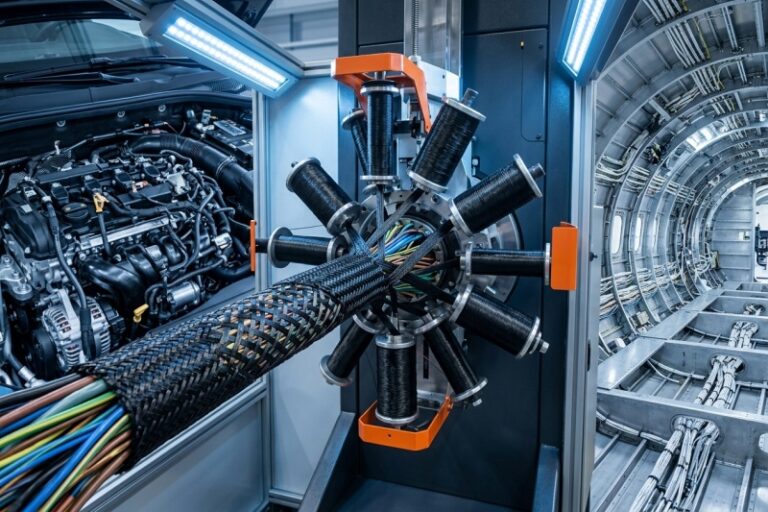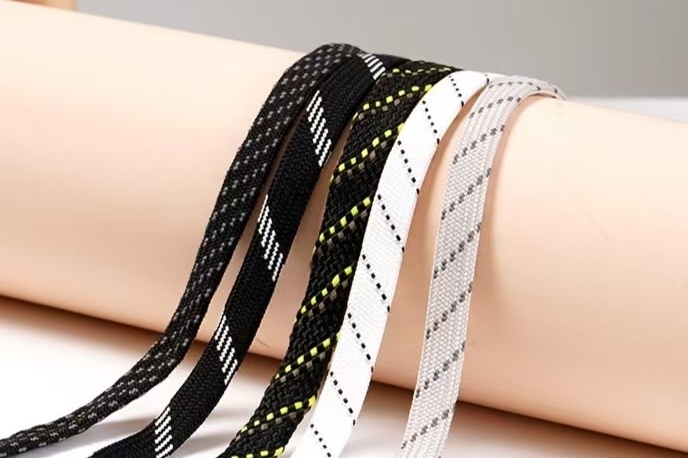

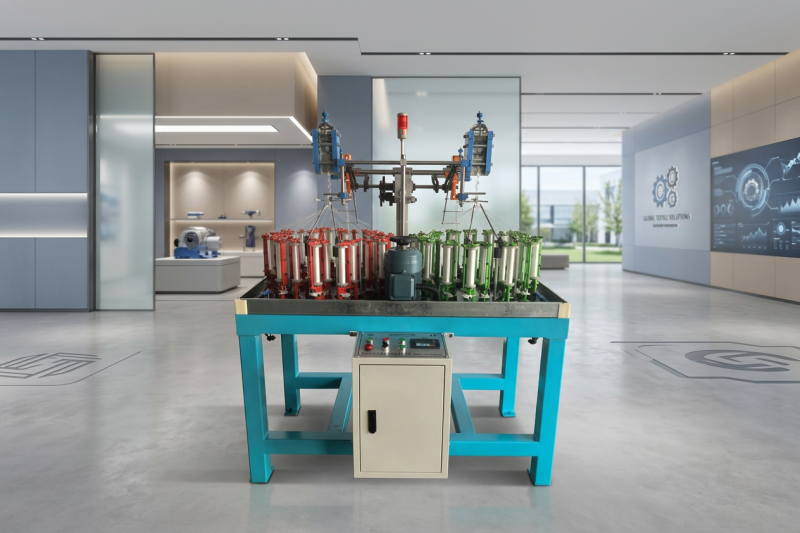
A braiding machine is an efficient piece of equipment used to produce braided products. It operates by moving multiple spindles along designated tracks in a regular, interlacing pattern. This movement causes yarns, metal wires, or other linear materials to cross and interweave, forming cords, ropes, tapes, or sleeves with specific structures, shapes, and strength characteristics.
The specifications and applications of a braiding machine are closely related to its number of spindles, track design, braiding structure, and compatible materials. Machines with different spindle counts are suitable for producing products of different widths, diameters, densities, and levels of complexity.
I. Common Spindle Counts for Braiding Machines
The number of spindles affects the number of strands, braid density, diameter, width, and overall structure of the finished product. Braiding machines are available with spindle counts ranging from just a few to more than one hundred, meeting the production requirements of garment accessories, cables, hoses, ropes, and various industrial products.
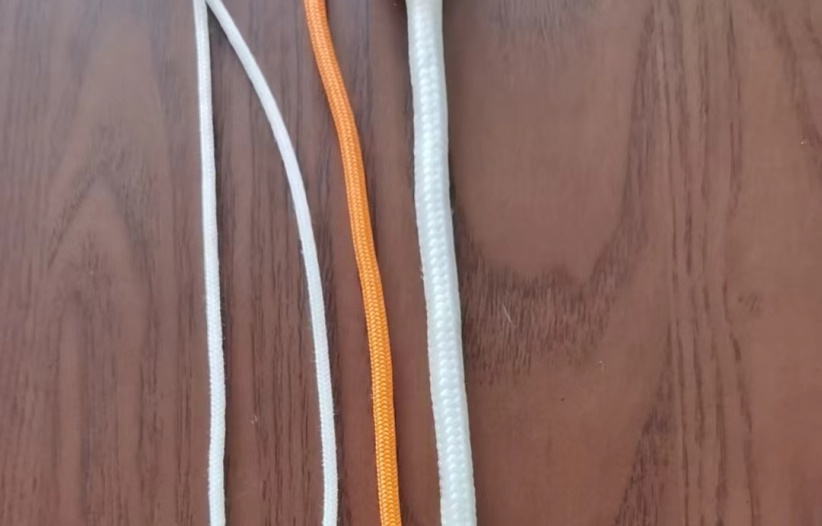
1. Small Machines: 8, 12, and 16 Spindles
Small braiding machines feature a compact structure and are easy to operate. They are suitable for producing relatively thin cords and products with simple braided structures.
- 8-spindle machines: Suitable for thin cords, decorative cords, small cored cords, and simple braided tapes.
- 12-spindle machines: Used to produce small- to medium-diameter round cords, hollow cords, cored cords, and protective cable coverings.
- 16-spindle machines: Offer a wide range of applications and are commonly used for shoelaces, hoodie drawcords, data-cable coverings, thin round cords, and small elastic cords.
These machines are particularly suitable for small-batch production, product sampling, and the manufacture of multiple product varieties.
2. Medium-Sized Machines: 24, 32, and 48 Spindles
Medium-sized braiding machines offer greater braiding capacity. They can accommodate more strands and produce cords or braids with larger diameters, higher densities, or more complex structures.
- 24-spindle machines: Commonly used for medium-diameter round cords, industrial ropes, wire and cable coverings, and hose reinforcement layers.
- 32-spindle machines: Suitable for high-density ropes, decorative cords, cored cords, and industrial braided sleeves.
- 48-spindle machines: Capable of handling thicker materials and producing tighter braided structures. They are suitable for mass-producing industrial ropes, cable shielding layers, and high-strength reinforcement layers.
3. Large and Special-Purpose Machines: 96, 110, 144, 192 Spindles and Above
Large braiding machines generally feature a horizontal or vertical configuration and are primarily designed for specialized industrial applications. They can produce large-diameter, high-strength, or multilayer composite products.
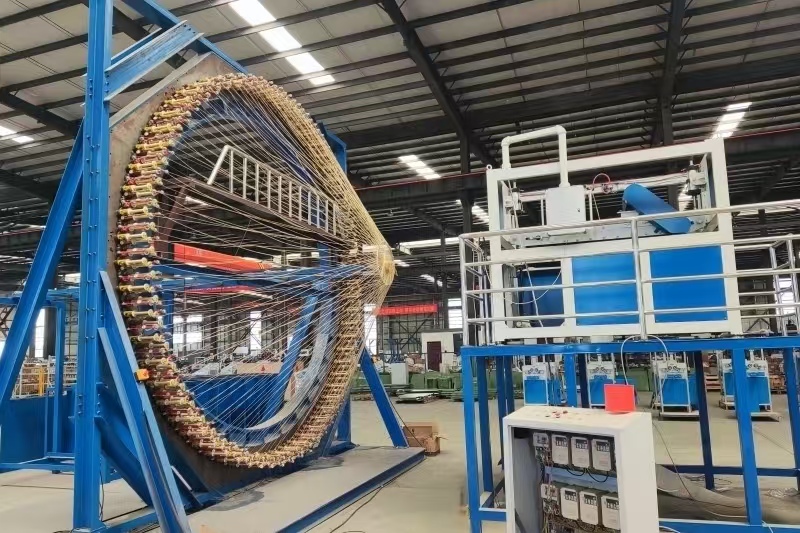
Typical products include:
- Work-at-height safety ropes
- Mountaineering and climbing ropes
- Fire and rescue ropes
- Towing ropes
- Marine ropes and cables
- Reinforcement layers for high-pressure hoses
- Large-diameter industrial braided sleeves
In general, the greater the number of spindles, the more strands can be incorporated into the braid. This usually makes it possible to produce thicker, denser, or more complex products. However, spindle count is not the only factor that determines product performance. The machine track, material specifications, braiding density, core structure, and take-up speed must also be considered.
II. Differences Between Odd- and Even-Spindle Braiding Machines
Depending on the number of spindles and the track configuration, braiding machines can be used to produce flat, round, hollow, or tubular products.
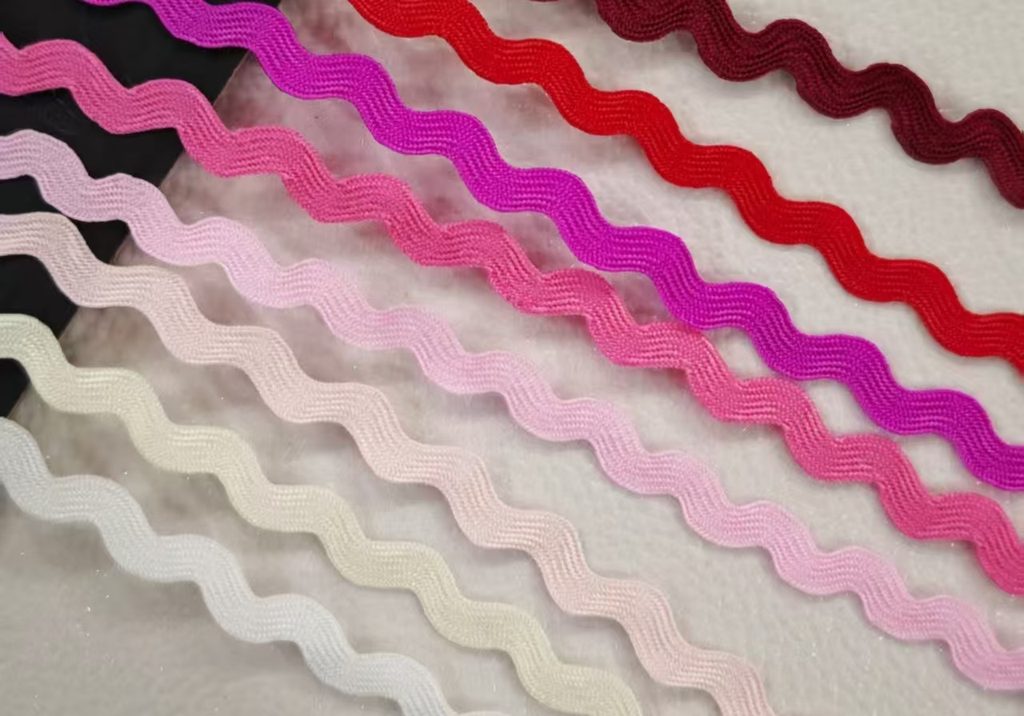
1. Odd-Spindle Braiding Machines: Mainly Used for Flat Cords and Tapes
Odd-spindle braiding machines generally use a track configuration designed for flat interlacing. The materials move back and forth within a specified width, forming a flat braided structure.
Typical products include:
- Flat shoelaces
- Decorative garment tapes
- Gift ribbons
- Bag straps
- Lanyards
- Hoodie cords and drawstrings
- Various fancy flat braids
By changing the number of spindles, material thickness, braiding density, and take-up speed, manufacturers can adjust the width, thickness, flexibility, and compactness of the finished product.
2. Even-Spindle Braiding Machines: Mainly Used for Round or Tubular Products
Even-spindle braiding machines generally divide the spindles into two groups that move in opposite directions and cross each other in a regular pattern. The strands are continuously braided around the center to create a round or tubular structure.
Depending on whether a core is inserted, these products can be further classified as follows:
- Hollow tubular cords: These products contain no separate core and have a hollow internal structure.
- Solid round cords: A fuller, rounded structure is created through tighter braiding or the addition of filling materials.
- Cored cords: Fiber, elastic, steel wire, cable, hose, or another core material is fed through the center of the machine and covered by the surrounding braided strands.
- Braided sleeves: Tubular protective coverings designed to fit over cables, pipes, hoses, or other products.
It should be noted that the use of odd-spindle machines for flat braids and even-spindle machines for tubular braids is a common equipment configuration rather than an absolute rule. The final product shape is also influenced by the machine track, spindle arrangement, forming die, core configuration, and haul-off system.
III. The Difference Between Braiding and Twisting
A braiding machine produces braided structures and is not the same as a conventional rope-twisting machine. The two types of equipment use distinctly different forming principles.
Braiding
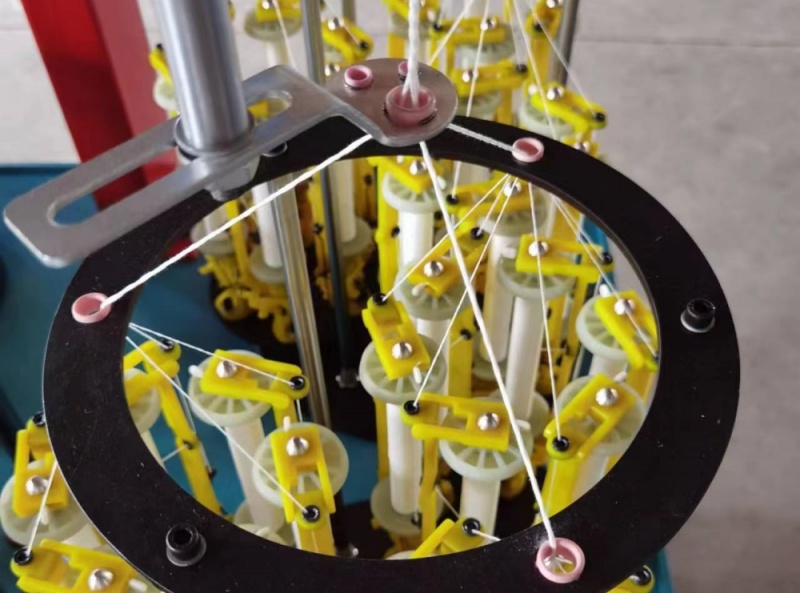
Braiding involves crossing, interlacing, and overlapping multiple strands along designated paths to create a stable cord, tape, rope, or tubular structure. A braiding machine typically achieves this by moving spindles along figure-eight or other specially designed tracks.
Braided products generally offer the following characteristics:
- Stable structure
- Neat and uniform appearance
- Good abrasion resistance
- Resistance to unraveling
- The ability to form flat, round, hollow, or cored structures
Twisting
Twisting involves rotating two or more yarns or strands in the same direction so that they combine into a rope-like structure.
These products are generally manufactured using:
- Yarn-twisting machines
- Doubling machines
- Rope-twisting machines
- Rope-making machines
Therefore, a braiding machine is primarily used for interlacing strands, while a rope-twisting machine is mainly used for twisting and plying strands. The two types of equipment can be used for separate production processes or integrated into the same production line.
IV. Main Product Structures Made with Braiding Machines
1. Flat Cords and Tapes
Flat cords have a clearly defined width and a relatively smooth, flat surface. They are generally produced using odd-spindle machines or specialized flat-braiding machines.
Typical applications include:
- Shoelaces
- Bag straps
- Decorative garment tapes
- Gift-wrapping ribbons
- Hang-tag cords
- Various types of lanyards
2. Round Cords
Round cords are among the most common braided products and are generally produced using even-spindle machines. Product diameter can be adjusted by changing the spindle count, material thickness, braiding angle, and haul-off speed.
Typical products include:
- Hoodie cords
- Drawstrings
- Pet leashes
- Outdoor ropes
- Industrial ropes
- Decorative round cords
3. Hollow Cords and Tubular Braids
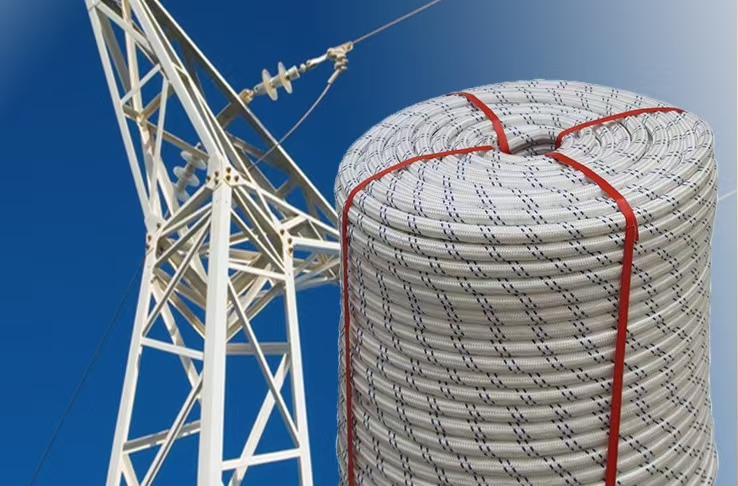
Hollow cords contain no separate internal core. They are flexible, lightweight, expandable, and easy to bend. Some hollow braided products can be fitted directly over cables, hoses, or pipes.
Typical applications include:
- Cable protection sleeves
- Decorative sleeves
- Electrical insulation layers
- Abrasion-resistant protective coverings
- External coverings for pipes and tubes
4. Cored Cords
When producing cored cords, the core material is continuously fed through the center of the machine while the surrounding spindles create a braided outer covering.
Core materials may include:
- Polyester, nylon, or other fiber bundles
- Natural fibers
- Elastic threads or rubber strands
- Steel wire or metal rope
- Electrical wires and cables
- Rubber hoses or plastic tubes
A cored structure can improve tensile strength, elasticity, abrasion resistance, and pressure resistance. It can also provide electrical conductivity, electromagnetic shielding, or other protective functions.
V. Materials Suitable for Braiding Machines
Braiding machines can process not only conventional yarns but also a wide range of fibers and metal wires, depending on the machine configuration.
Common materials include:
- Polyester yarn
- Nylon yarn
- Polypropylene yarn
- Cotton yarn
- Aramid fiber
- Ultra-high-molecular-weight polyethylene fiber
- Fiberglass
- Carbon fiber
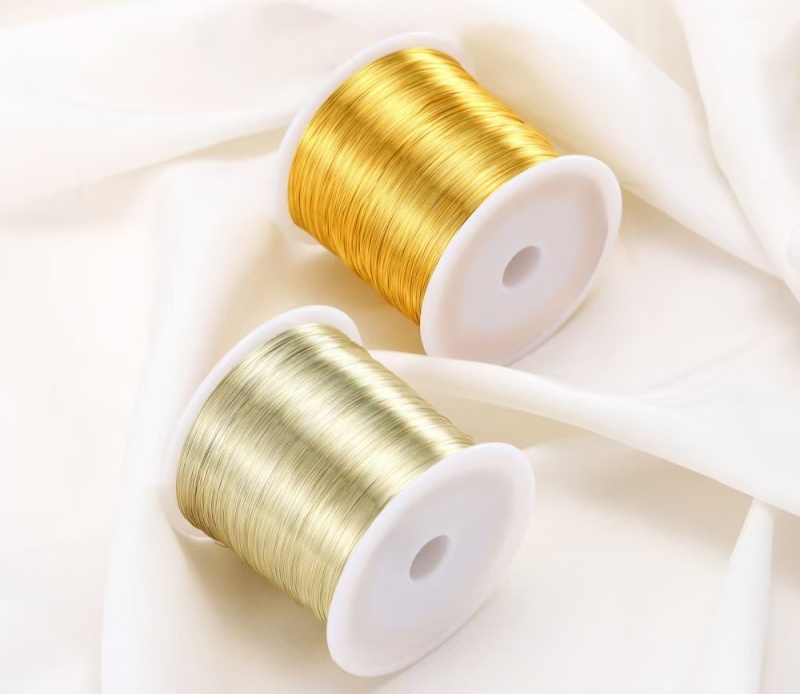
- Copper wire
- Tinned copper wire
- Stainless-steel wire
- Aluminum wire and other fine metal wires
Different materials require different levels of spindle tension, operating speed, wear resistance, and guide-component design. When braiding metal wire or high-strength fibers, specially designed spindles, guide wheels, and tension-control systems are generally required.
VI. Main Application Fields
1. Garment and Bag Accessories
Braiding machines can be used to produce shoelaces, hoodie drawcords, waistband drawstrings, elastic cords, gift-bag handles, bag straps, hang-tag cords, decorative tapes, and other garment accessories.
By adjusting yarn colors, materials, and braiding density, manufacturers can create products with different appearances, textures, levels of softness, and degrees of elasticity.
2. Jewelry, Fashion Accessories, and Decorative Crafts
Braiding machines can also be used to produce metal cords, textile cords, and fancy braided tapes for jewelry and decorative products. By combining materials of different colors, thicknesses, and compositions, manufacturers can create fine textures, metallic finishes, and three-dimensional patterns suitable for handmade jewelry, fashion accessories, and gift decorations.
Typical products include:
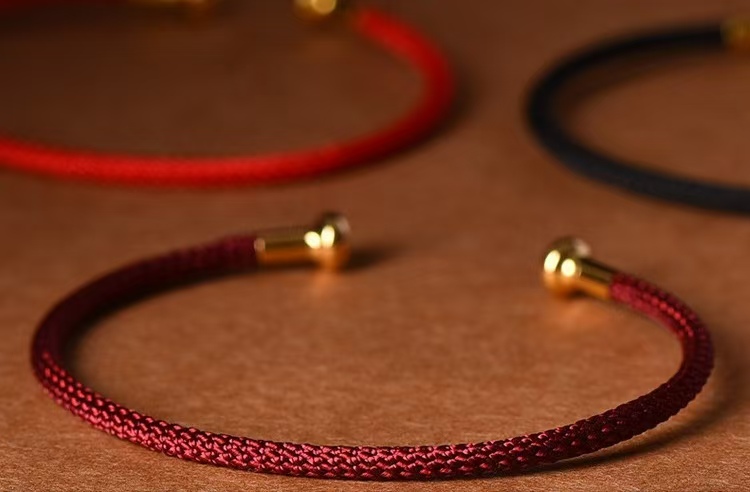
- Necklace cords, bracelet cords, and anklet cords
- Braided components for rings, earrings, and brooches
- Decorative metal cords and metal mesh tubes
- Cored cords for jewelry
- Pendant cords and jewelry connecting cords
- Decorative trims for hair accessories, garments, and bags
- Gift-wrapping cords and festive decorative cords
- Home-decoration trims and braided handicrafts
Suitable materials include:
- Copper wire, tinned copper wire, and colored copper wire
- Fine stainless-steel wire
- Aluminum wire and other flexible metal wires
- Gold- and silver-colored metallic yarns and glitter yarns
- Polyester, nylon, cotton, and rayon yarns
- Silk thread, waxed cord, and embroidery thread
- Blended fibers and fancy yarns
Depending on the product design, odd-spindle machines can be used to produce flat decorative braids, while even-spindle machines are generally suitable for round, hollow, or tubular jewelry cords. Cotton cores, nylon cores, elastic threads, metal chains, memory wire, or other core materials can also be fed through the center of the machine to produce cored decorative cords with structural support, elasticity, or distinctive visual effects.
When braiding fine metal wire, careful control of spindle tension and operating speed is essential. Wear-resistant guides and other appropriate components should be selected according to the material properties to prevent scratching, breakage, deformation, or damage to the surface coating.
For high-end jewelry and delicate decorative products, it is also important to ensure uniform braid patterns, smooth joints, and consistent finished dimensions.
3. Outdoor, Sports, and Safety Products
By using high-strength fibers and optimizing the braided structure, braiding machines can produce:
- Mountaineering ropes
- Climbing ropes
- Work-at-height safety ropes
- Fire and rescue ropes
- Emergency escape ropes
- Flagpole ropes
- Towing ropes
- Marine ropes and cables
- Pet leashes
For safety-related ropes, choosing the correct spindle count is not enough. Raw materials, core structure, braiding density, breaking strength, elongation, and abrasion resistance must also be strictly controlled in accordance with the relevant product and safety standards.
4. Wires and Cables
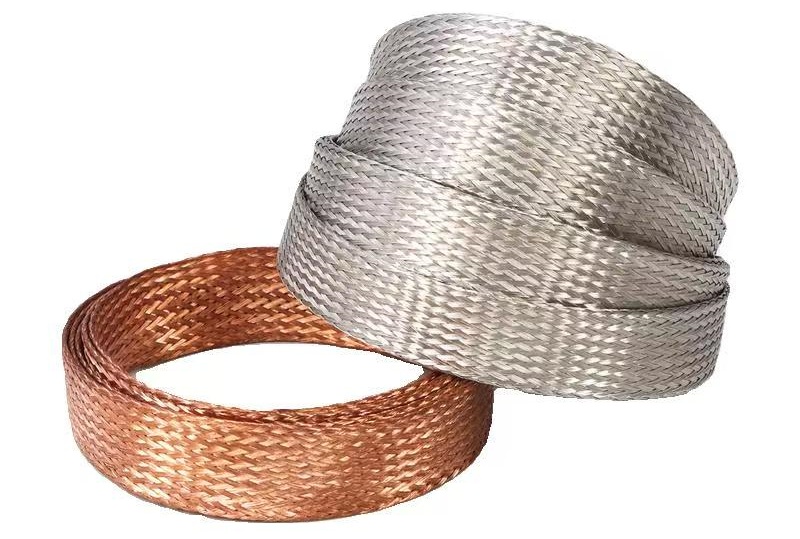
Braiding machines can braid copper wire, tinned copper wire, stainless-steel wire, or fiber yarn around cables to create shielding, reinforcement, or protective layers.
The primary functions include:
- Electromagnetic interference shielding
- Tensile reinforcement
- Abrasion protection
- Stabilization of cable structure
- Improved flexibility and bending performance
- Enhanced product appearance
Typical products include data cables, audio and video cables, automotive wiring harnesses, industrial control cables, and various specialty cables.
5. Hoses and Flexible Tubes
Steel wire or high-strength fiber can be braided around hydraulic hoses, air hoses, sanitary hoses, and other industrial flexible tubes to form reinforcement layers.
These braided layers improve pressure resistance, tensile strength, and abrasion resistance while helping prevent expansion or bursting during operation.
6. Industrial Protection and Reinforcement Materials
Braiding machines can also be used to produce industrial braided sleeves, sealing packings, composite-material preforms, and protective mesh tubes for machinery and equipment.
Depending on the intended application, fiberglass, aramid fiber, carbon fiber, stainless-steel wire, and other functional materials may be used.
Typical products include:
- Wire-harness protection sleeves
- High-temperature thermal-insulation sleeves
- Abrasion-resistant braided sleeves
- Mechanical sealing packings
- Braided preforms for composite materials
- External reinforcement layers for pipes and industrial equipment
7. Special and Decorative Braided Cords
By changing the colors, thicknesses, surface finishes, and arrangement of the materials—and by adjusting the braiding density and haul-off speed—manufacturers can produce fancy braided cords with distinctive patterns, color gradients, or three-dimensional effects.
These products are widely used for:
- Garment, footwear, and headwear decoration
- Bags and home-furnishing products
- Jewelry and fashion accessories
- Gift and festive packaging
- Stage, event, and wedding decoration
- Handicrafts and cultural or creative products
Metal wires can also be braided together with textile yarns, combining the metallic appearance and luster of metal with the softness and flexibility of fibers. This creates richer colors, textures, and decorative effects.
VII. How to Select the Right Braiding Machine
When selecting a braiding machine, spindle count should not be the only consideration. The following factors should also be evaluated:
- Product shape: Determine whether the machine will be used to produce flat cords, round cords, hollow cords, or tubular braids.
- Product dimensions: Consider the required width, thickness, and diameter.
- Structural requirements: Determine whether the product requires a fiber core, elastic strand, steel wire, cable, hose, or another core material.
- Material type: Conventional yarns, high-strength fibers, and metal wires require different machine configurations.
- Braiding density: Braid density affects the product’s appearance, flexibility, abrasion resistance, and strength.
- Production capacity: Select the machine according to the required production speed and order volume.
- Tension control: Stable tension is essential for maintaining consistent product dimensions and uniform braiding quality.
- Pay-off and take-up methods: These should match the product dimensions, material properties, and continuous-production requirements.
Conclusion
Braiding machines are available with spindle counts ranging from single digits to more than one hundred. Small machines are suitable for thin cords, shoelaces, and decorative tapes. Medium-sized machines are commonly used for industrial ropes, cable coverings, and hose reinforcement, while large machines are primarily used to manufacture high-strength ropes, large braided structures, and specialized industrial products.
Generally, odd-spindle braiding machines are more suitable for flat cords and tapes, while even-spindle machines are more suitable for round, hollow, or tubular braided products. By changing the spindle count, track configuration, raw materials, braiding density, and core arrangement, braiding machines can manufacture a wide variety of products, ranging from everyday garment accessories to high-strength industrial ropes and cables.
It is also important to understand that the primary function of a braiding machine is braiding, not twisting. When selecting a machine, the decision should be based on the final product’s shape, dimensions, materials, structure, and performance requirements rather than on spindle count alone.
Do you have any questions about braiding machines? Please feel free to contact us—we will be happy to assist you.